Beyond the Lens: How to Curate Art Photography for Museums
HM
Curating art photography for museums is an intricate process that goes beyond simply selecting beautiful images. It involves understanding the stories behind the photographs, the intentions of the artists, and how these elements resonate with the audience. The goal is to create a visual narrative that not only captivates but also educates and inspires.
The process begins with a deep dive into the history and context of the photographs. Understanding the era, the circumstances in which the photo was taken, and the photographer’s personal journey is crucial. This background knowledge enriches the viewing experience, offering visitors a more comprehensive understanding of the artwork.
Understanding the Artist’s Vision
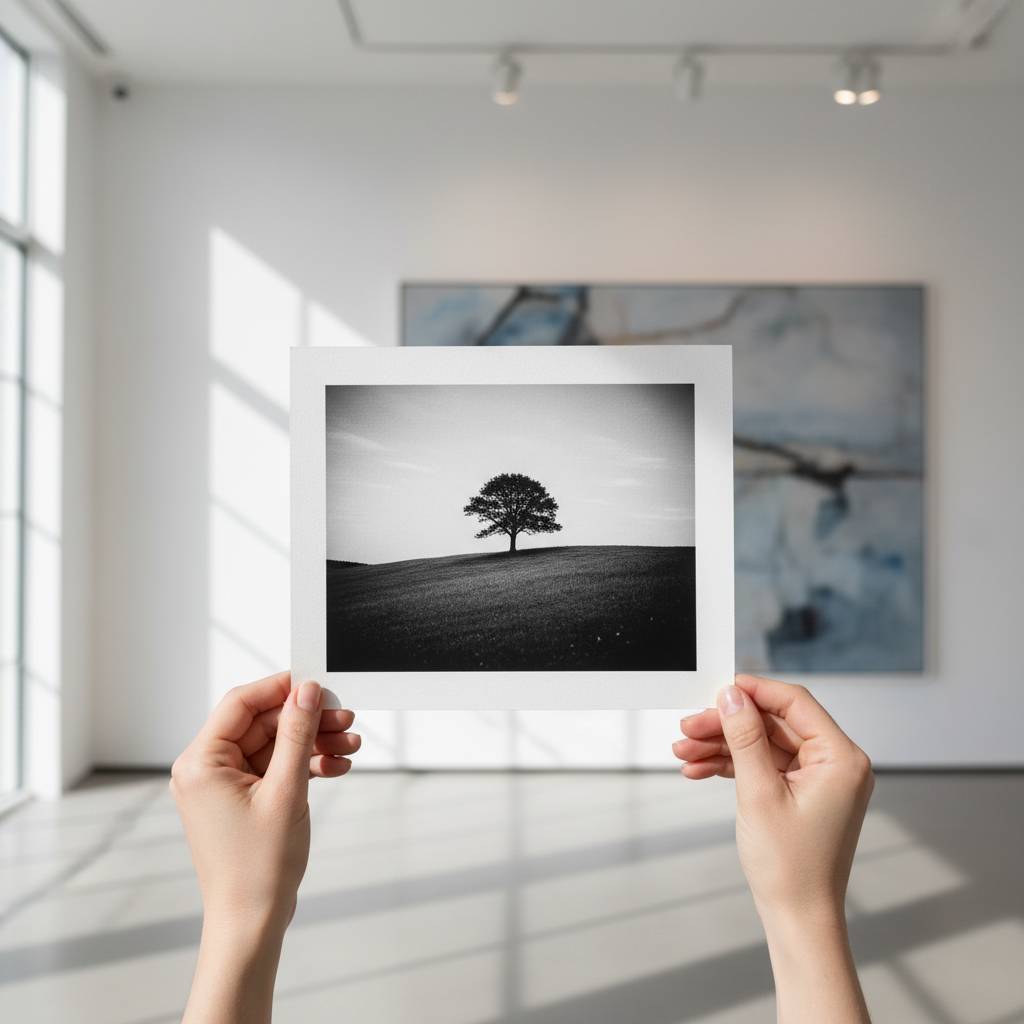
To curate effectively, it is essential to grasp the photographer’s vision. Art photography often goes beyond aesthetics; it is a medium of expression and commentary. Curators must spend time with the artist’s portfolio to identify recurring themes and motifs. This insight allows for a selection that truly reflects the essence of the artist’s work.
It is also important to consider how the artist’s vision aligns with the museum’s mission and the exhibition’s theme. This alignment ensures that the exhibition supports the museum's educational goals and resonates with its audience. The selected works should not only fit the theme but also challenge and engage viewers, prompting them to explore new perspectives.
Creating a Cohesive Narrative
Once the photographs are selected, the next step is to create a cohesive narrative. This involves arranging the images in a way that tells a story or conveys a particular message. The sequence in which photographs are displayed can significantly impact the viewer’s experience, guiding them through different emotions and insights.
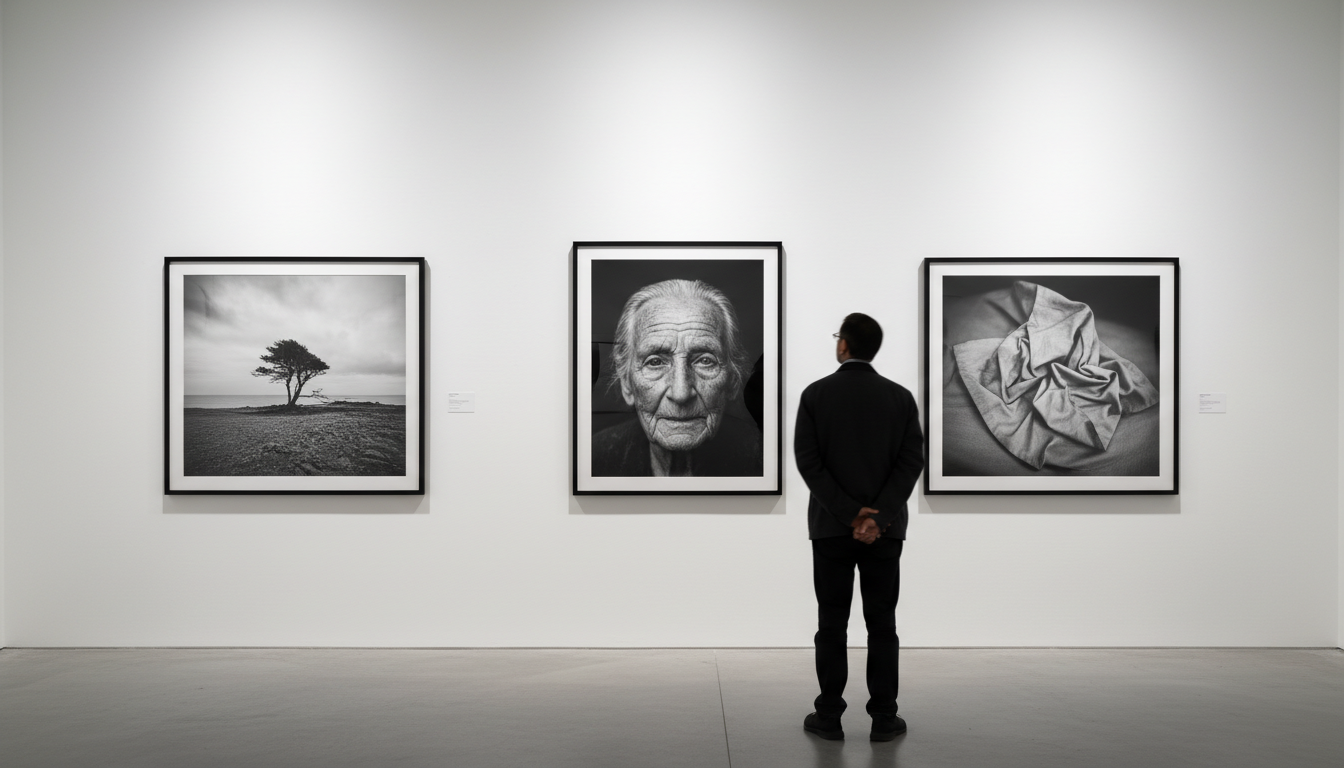
Curators must also consider the spatial arrangement within the exhibition space. The layout should facilitate a natural flow, allowing visitors to move seamlessly from one piece to the next. Lighting, framing, and text accompaniments all play a role in enhancing the narrative and ensuring that each photograph is appreciated to its fullest.
Engaging the Audience
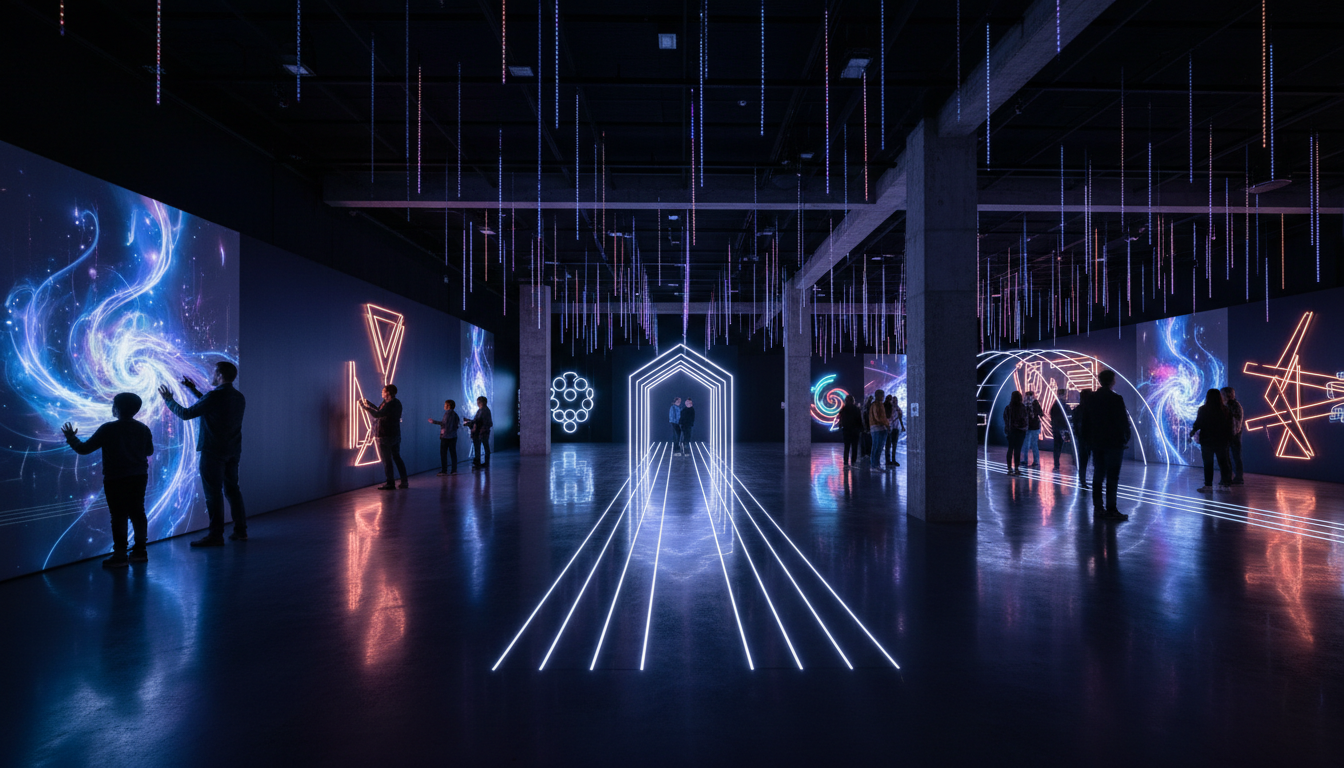
A successful exhibition not only showcases art but also engages its audience. Interactive elements, such as guided tours, artist talks, and workshops, can enrich the visitor experience. These activities provide deeper insights into the photographs and foster a connection between the audience and the artwork.
Digital tools can also enhance engagement. Virtual tours and multimedia guides offer additional layers of information, making the exhibition accessible to a wider audience. By leveraging technology, museums can reach a global audience, extending the impact of their curated collections beyond physical boundaries.
Evaluating the Impact
The final step in curating art photography for museums is evaluating the exhibition's impact. Feedback from visitors, both qualitative and quantitative, provides valuable insights into the success of the exhibition. Surveys, guestbook comments, and social media interactions can all offer perspectives on what resonated with the audience and what could be improved.
This evaluation process is crucial for future exhibitions, helping curators refine their approach and continue to offer meaningful and impactful art experiences. By continuously learning and adapting, museums can ensure that their photography exhibitions remain relevant and engaging to diverse audiences.