Capturing Cultural Narratives: Editorial Photography in Museums
HM
Introduction to Editorial Photography in Museums
Editorial photography in museums serves as a powerful medium for capturing and conveying cultural narratives. These images do more than document artifacts; they tell stories, evoke emotions, and provide a deeper understanding of cultural contexts. Through the lens of editorial photographers, museums become vibrant spaces where history and art intersect.
Unlike traditional photography, editorial photography in museums focuses on storytelling. It aims to engage viewers by providing context and meaning to the subjects being photographed. This approach transforms static displays into dynamic narratives that resonate with audiences worldwide.
The Role of Editorial Photography
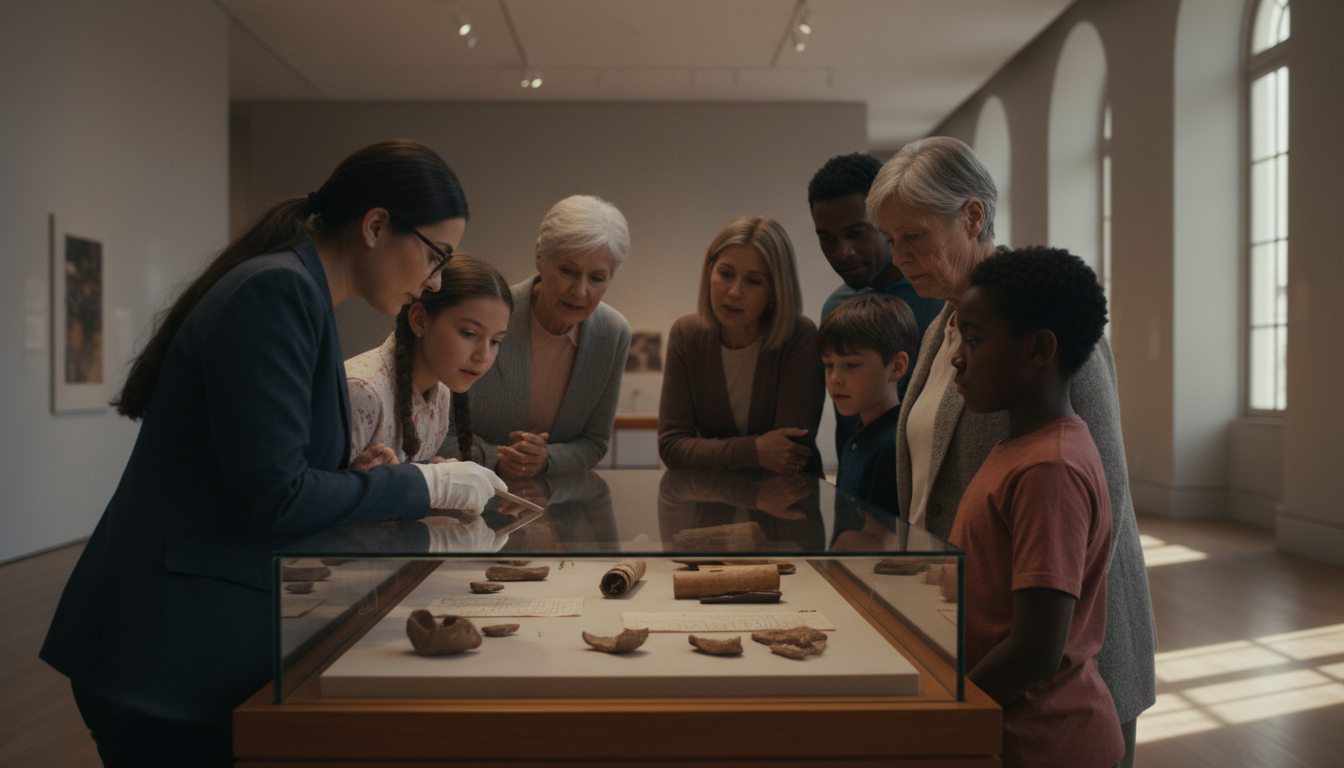
Editorial photography plays a crucial role in museums by bridging the gap between past and present. It captures the essence of cultural artifacts, allowing visitors to connect with the stories behind them. Through carefully composed images, photographers highlight the significance and relevance of these objects in today’s world.
Moreover, editorial photography can shine a light on underrepresented cultures and histories. By focusing on diverse narratives, museums can create inclusive spaces that celebrate a wide range of cultural experiences. This approach fosters empathy and understanding among audiences.
Techniques and Approaches
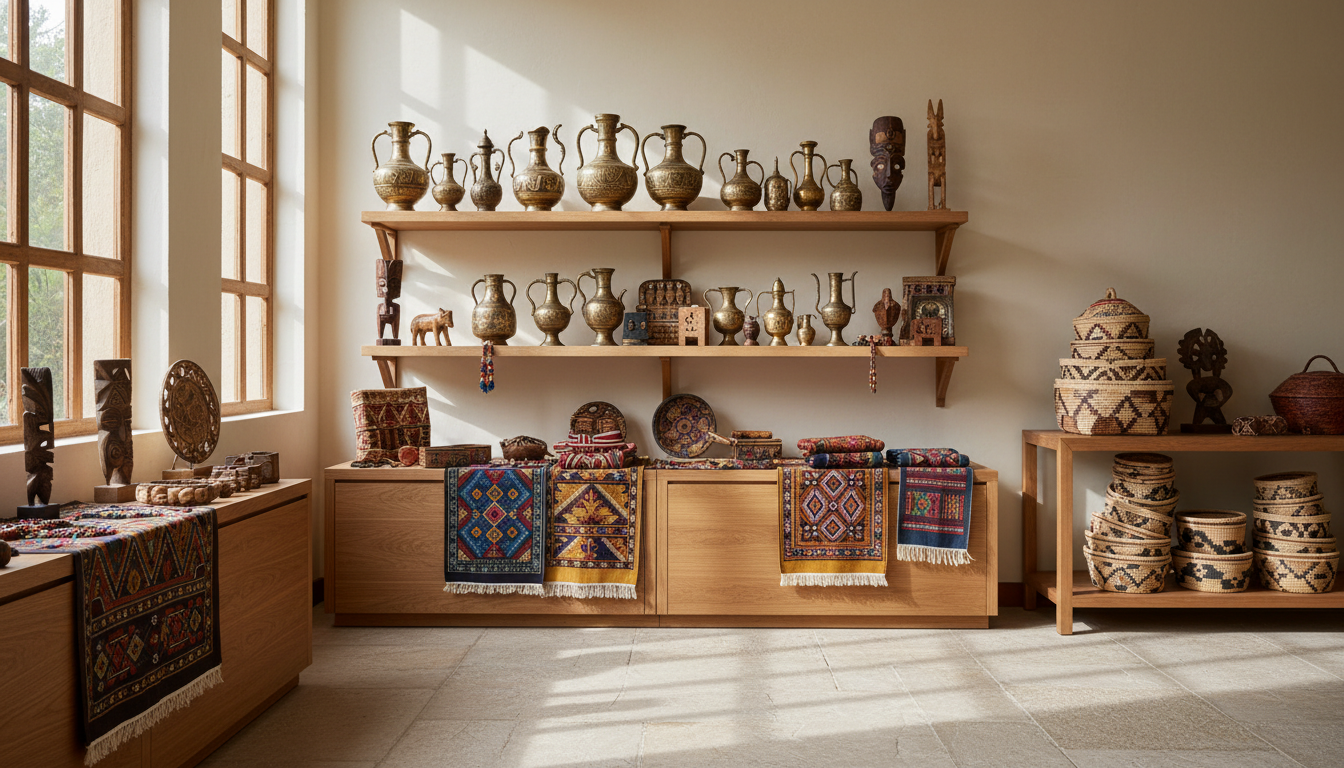
Editorial photographers employ various techniques to enhance their storytelling. Some of these include:
- Lighting: Using natural or artificial light to highlight specific features and create mood.
- Composition: Arranging elements within the frame to guide viewers’ attention.
- Perspective: Experimenting with angles to provide unique viewpoints.
These techniques, combined with a keen sense of observation, allow photographers to capture the essence of their subjects, offering viewers a rich narrative experience.
Challenges in Museum Photography
While editorial photography in museums offers many opportunities, it also presents unique challenges. Museums often have strict rules regarding lighting and equipment to protect delicate artifacts. Photographers must navigate these restrictions while still achieving compelling images.
Additionally, capturing the true essence of an artifact requires more than technical skill. Photographers must have a deep understanding of the cultural and historical context of their subjects. This knowledge allows them to create images that are not only visually appealing but also meaningful.
The Impact on Audience Engagement
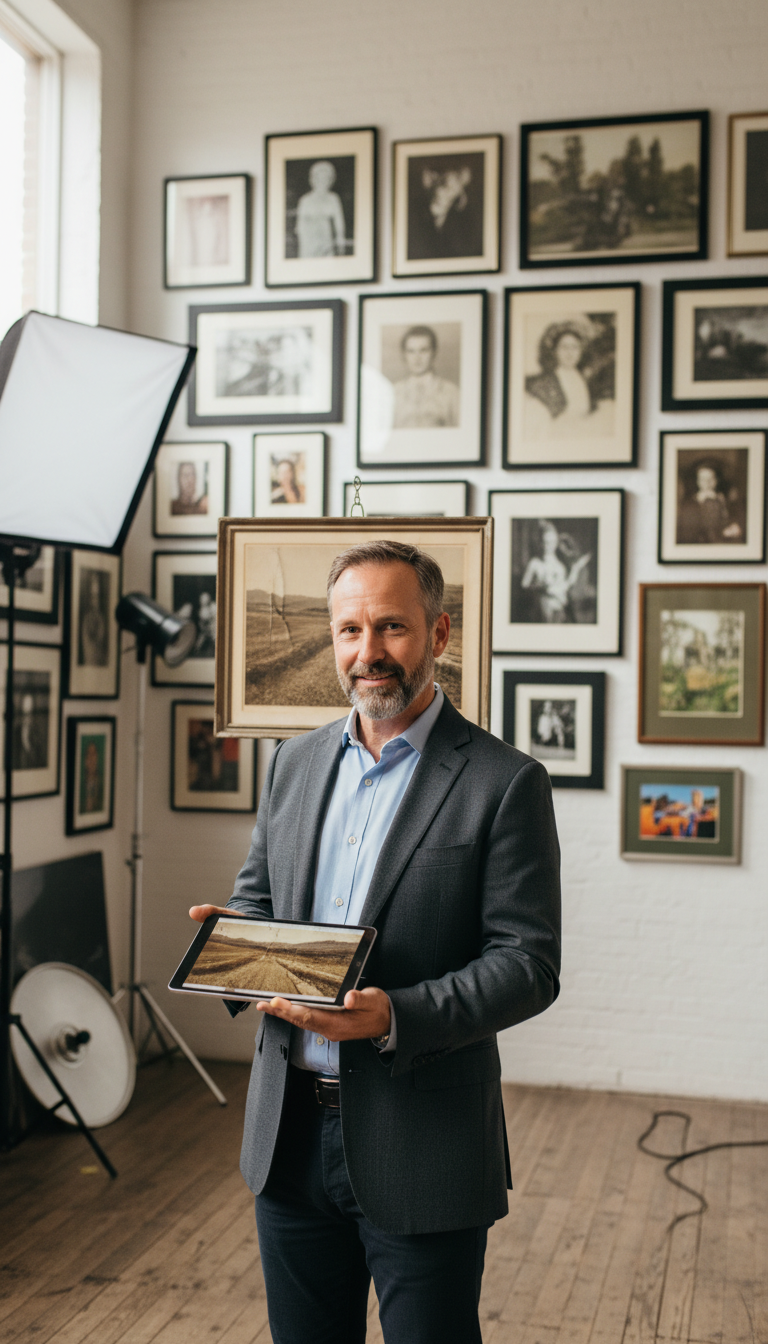
The compelling narratives created by editorial photography can significantly enhance audience engagement in museums. By presenting artifacts within a broader cultural context, museums can offer visitors a more immersive and enlightening experience. This approach encourages deeper reflection and discussion among viewers.
Furthermore, editorial photography helps museums reach a wider audience through digital platforms. By sharing these captivating images online, museums can attract visitors from around the world, fostering a global appreciation for diverse cultural narratives.
Conclusion
Editorial photography in museums is a vital tool for capturing and conveying cultural narratives. By employing creative techniques and understanding the stories behind artifacts, photographers can create images that inspire and educate audiences. As museums continue to evolve, the role of editorial photography will remain essential in promoting cultural understanding and appreciation.