From Hobbyist to Professional: How to Break Into Editorial Photography
HM
Understanding the Editorial Photography Landscape
Editorial photography is an exciting and dynamic field that combines creativity with storytelling. Unlike commercial photography, which focuses on selling products, editorial photography aims to tell a story or convey a concept. This type of photography often accompanies articles in magazines, newspapers, or online publications.
To break into the world of editorial photography, it's crucial to understand the visual language that resonates with readers. Familiarize yourself with different styles and trends by studying publications that align with your interests and creative vision.
Building a Strong Portfolio
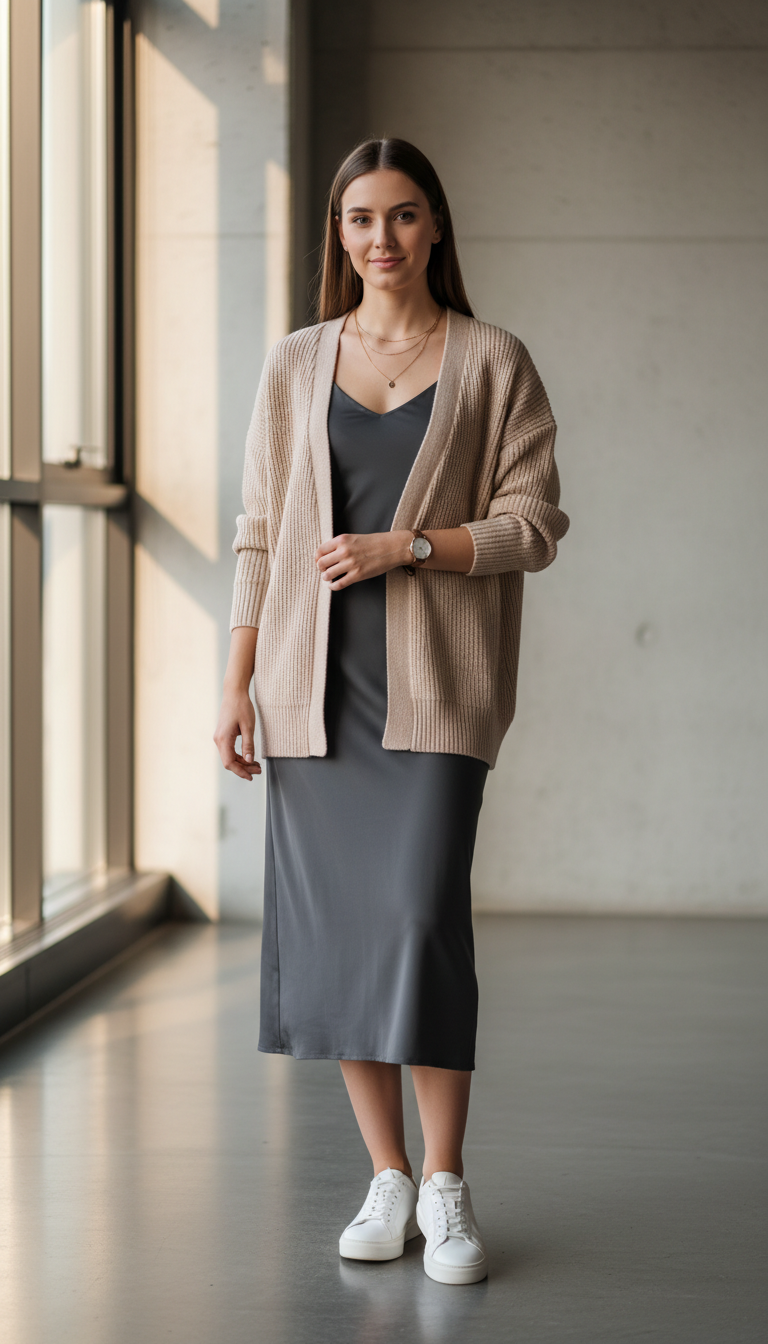
Your portfolio is your calling card in the world of editorial photography. It should showcase your best work and demonstrate your ability to tell compelling stories through images. Focus on creating a cohesive collection that highlights your unique style and perspective.
Consider including a variety of subjects and concepts to show your versatility. Collaborate with writers, stylists, and models to create diverse and engaging content that appeals to potential clients.
Creating a Personal Brand
In a competitive industry, having a strong personal brand can set you apart. Develop a unique style and aesthetic that reflects your vision. Use social media platforms to share your work and connect with like-minded creatives. Consistency in your presentation and messaging will help establish your reputation.
Networking and Building Relationships
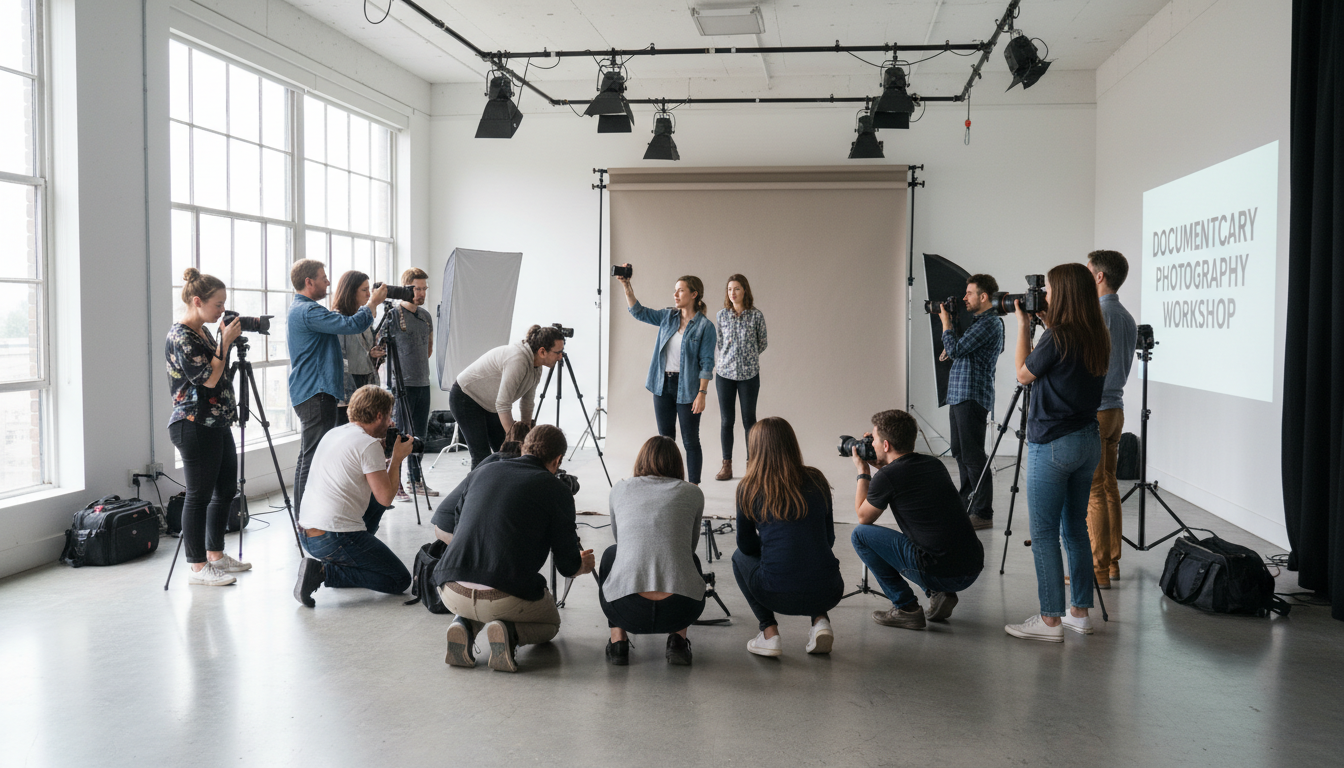
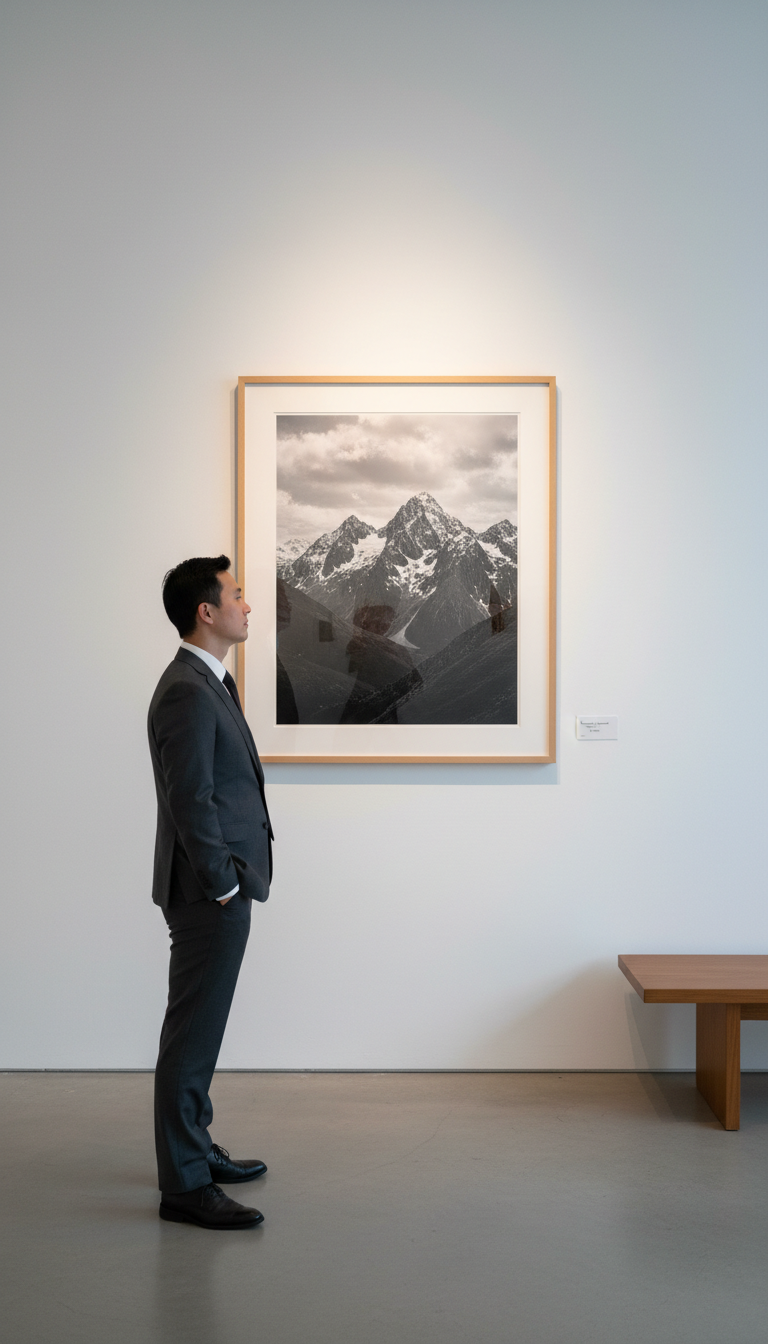
Networking is a vital part of transitioning from a hobbyist to a professional photographer. Attend industry events, workshops, and exhibitions to meet other photographers, editors, and potential clients. Building genuine relationships can lead to opportunities and collaborations.
Don't underestimate the power of online networking. Join photography forums, participate in online discussions, and engage with your audience on social media. These connections can be invaluable as you grow your career.
Assisting Established Photographers
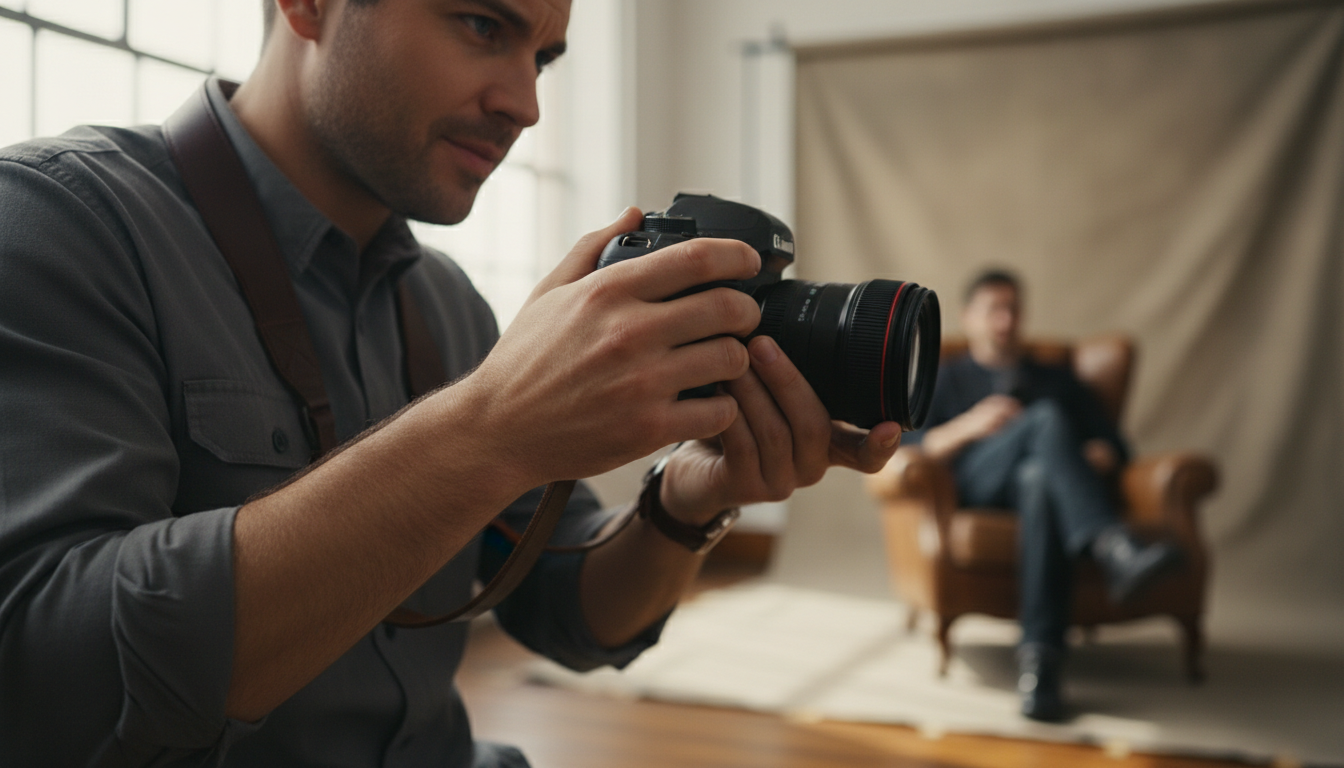
One effective way to gain experience and insight is by working as an assistant to established photographers. This position allows you to learn the ins and outs of professional shoots, understand client interactions, and develop technical skills. It’s also a chance to observe how experienced photographers work under pressure.
Submitting Your Work
Once you have a polished portfolio, start submitting your work to relevant publications. Research magazines and websites that align with your style and pitch your ideas or completed projects. Tailor your submissions to fit the editorial guidelines and themes of each publication.
Be persistent and prepared for rejections. Each submission is a learning experience, and feedback can guide your growth as a photographer. Over time, your persistence will likely result in published work and increased recognition.
- Research potential publications
- Tailor submissions to fit editorial guidelines
- Be persistent and learn from feedback
Continuing Education and Staying Inspired
The field of editorial photography is always evolving, so it's important to stay informed about new techniques and trends. Enroll in workshops, take online courses, and read widely to broaden your knowledge and skills.
Above all, stay inspired by exploring new subjects, experimenting with different techniques, and pushing the boundaries of your creativity. This passion and dedication will shine through in your work, attracting clients and opportunities.