How Editorial Photography Shapes Museum Exhibits
HM
The Role of Editorial Photography in Museum Exhibits
Editorial photography plays a crucial role in shaping the way museum exhibits are perceived and experienced by visitors. By capturing the essence of an exhibit, editorial photography helps to tell a story, convey emotions, and enhance the overall visitor experience. This form of photography goes beyond mere documentation, infusing each shot with context and narrative.
Creating Visual Narratives
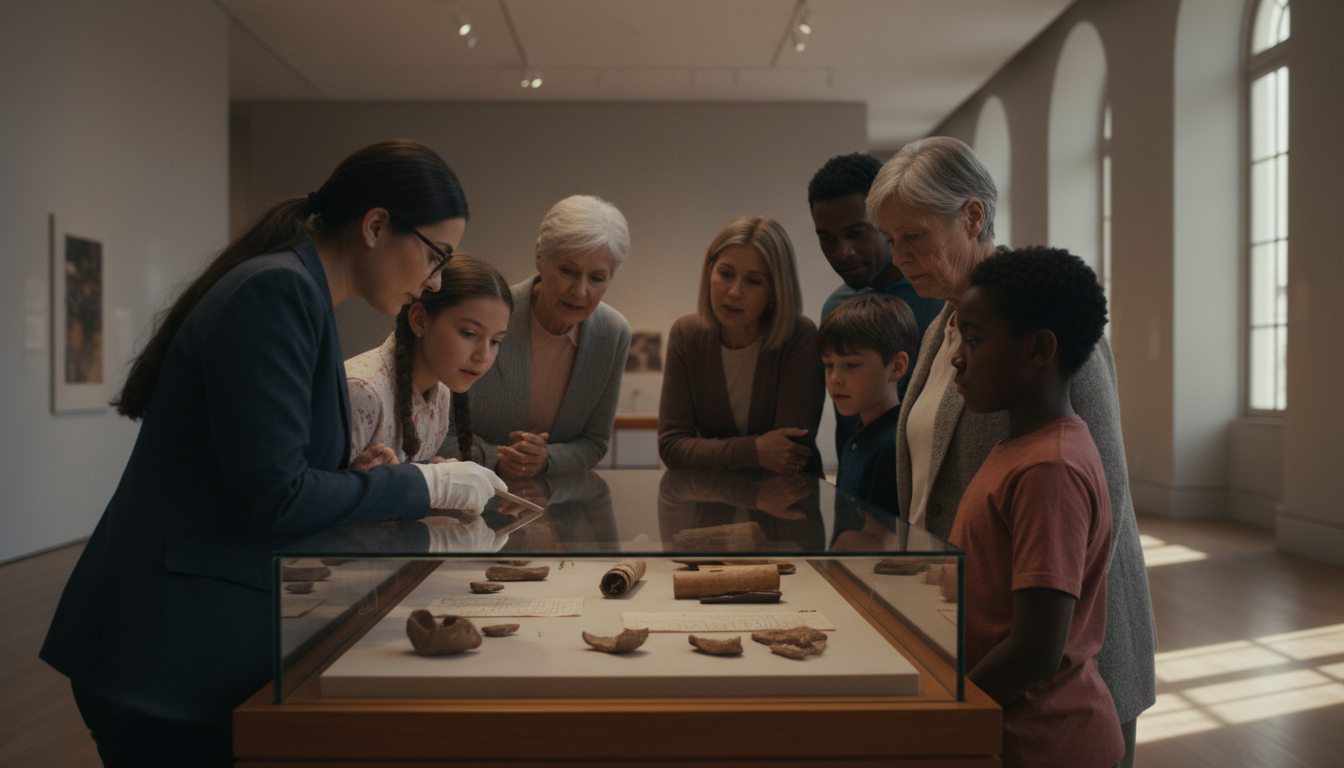
One of the primary functions of editorial photography in museums is to create visual narratives. Through carefully composed images, photographers can highlight significant artifacts, draw attention to intricate details, and illustrate the historical context of an exhibit. These images serve as a bridge between the past and present, allowing visitors to engage with history in a more personal and meaningful way.
Photographers often collaborate closely with curators and historians to ensure that each photograph aligns with the exhibit's theme and message. This collaboration ensures that the visual storytelling complements and enhances the written narratives, providing a holistic experience.
Engaging the Audience
Editorial photography also plays a vital role in engaging museum audiences. Eye-catching and thought-provoking images can captivate visitors’ attention, encouraging them to explore the exhibit further. By highlighting unique perspectives and unseen angles, photography can intrigue audiences and invite deeper exploration.

Moreover, photography can make exhibits more accessible to diverse audiences. Images can transcend language barriers and cultural differences, allowing people from various backgrounds to connect with the exhibits on a universal level.
Enhancing Marketing and Promotion
In addition to enriching the visitor experience, editorial photography is essential for the marketing and promotion of museum exhibits. High-quality images are used in brochures, websites, and social media campaigns to attract visitors and generate interest. These photographs can convey the excitement and uniqueness of an exhibit, enticing potential visitors to explore further.
Strategically chosen images can highlight key features and unique artifacts, creating a sense of anticipation and curiosity. By showcasing the most compelling aspects of an exhibit, photography helps museums reach broader audiences and increase attendance.

Documenting for Future Generations
Beyond the immediate benefits, editorial photography serves as a valuable tool for documenting exhibits for future generations. These images preserve the essence and impact of an exhibit long after it has closed. They become a part of the museum's archives, providing insights for future curators and historians.
Through this documentation, photography ensures that the stories and messages conveyed by exhibits continue to inspire and educate long into the future. It becomes a lasting testament to the creativity and vision of museum curators and photographers alike.
Conclusion
In summary, editorial photography is an indispensable element in the design and presentation of museum exhibits. By crafting visual narratives, engaging audiences, enhancing marketing efforts, and documenting for posterity, photography profoundly shapes how exhibits are experienced and remembered. As museums continue to evolve, the role of editorial photography will remain pivotal in bringing history and art to life.