Innovative Trends in Editorial Photography for Museums
HM
Embracing Technology in Editorial Photography
In recent years, editorial photography for museums has undergone a significant transformation. With the rise of digital technology, photographers are now equipped with tools that allow them to create more dynamic and engaging images. This shift is helping museums attract a broader audience and present their collections in innovative ways.
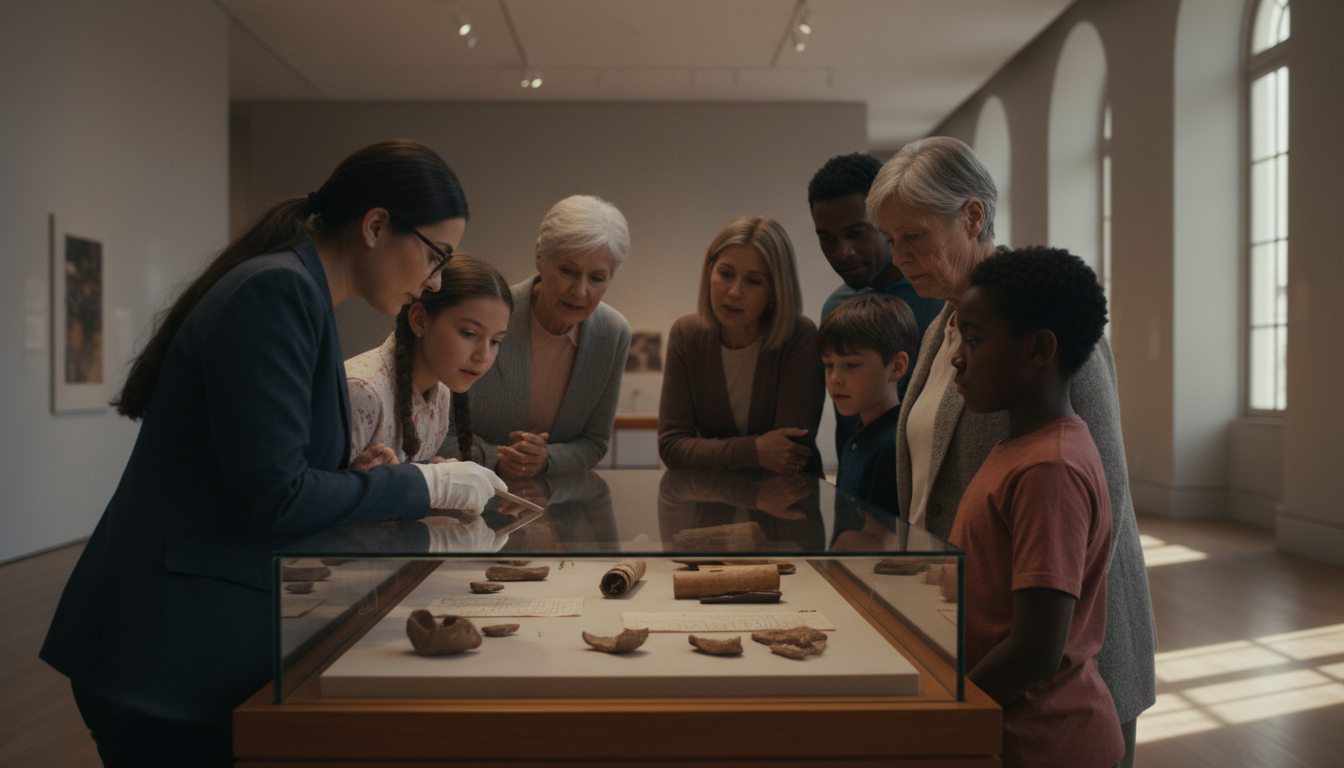
One major trend is the use of high-resolution digital cameras. These cameras capture the intricate details of artifacts, bringing a new level of appreciation to museum exhibits. The clarity and precision offered by these devices ensure that every photograph serves as an accurate representation of the original piece.
Incorporating Virtual Reality
Virtual reality (VR) is another trend making waves in the world of editorial photography. By integrating VR technology, photographers can create immersive experiences that transport viewers directly into the museum space. This approach is particularly effective for online exhibitions, allowing individuals to explore collections from the comfort of their homes.
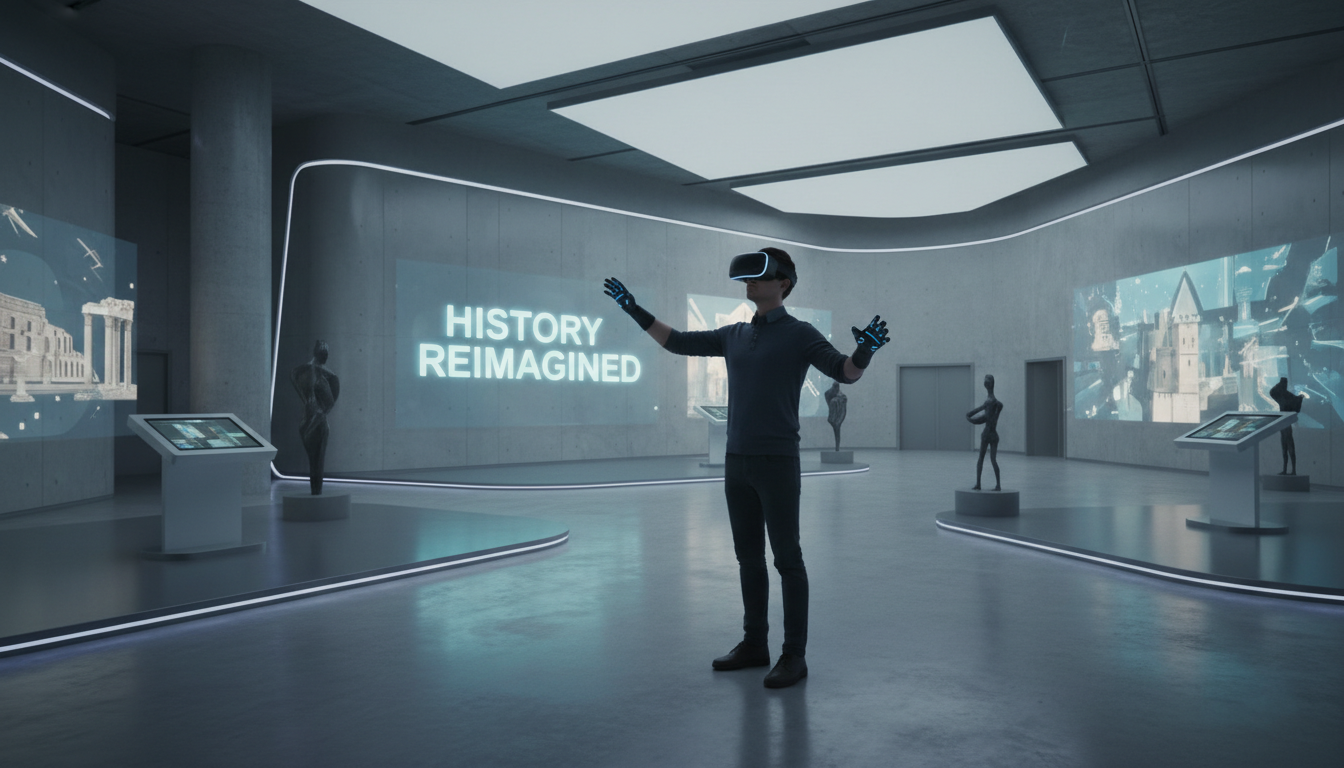
The use of VR can also be beneficial for educational purposes. By offering a virtual tour of a museum, educators can provide students with a firsthand look at exhibits they might not have the opportunity to visit physically. This innovative approach is bridging the gap between art and audience in unprecedented ways.
Storytelling Through Imagery
Editorial photographers are increasingly focusing on storytelling to create a more engaging narrative around museum exhibits. By capturing images that convey the history and significance of each piece, photographers can draw viewers into the story behind the artifacts. This method not only enhances the visual appeal but also deepens the educational impact.
Curated photo series are becoming more popular as they allow museums to highlight specific themes or collections. By carefully selecting and presenting images, museums can guide visitors through a curated narrative that enhances their understanding and appreciation of the artwork.
Collaborative Efforts with Artists
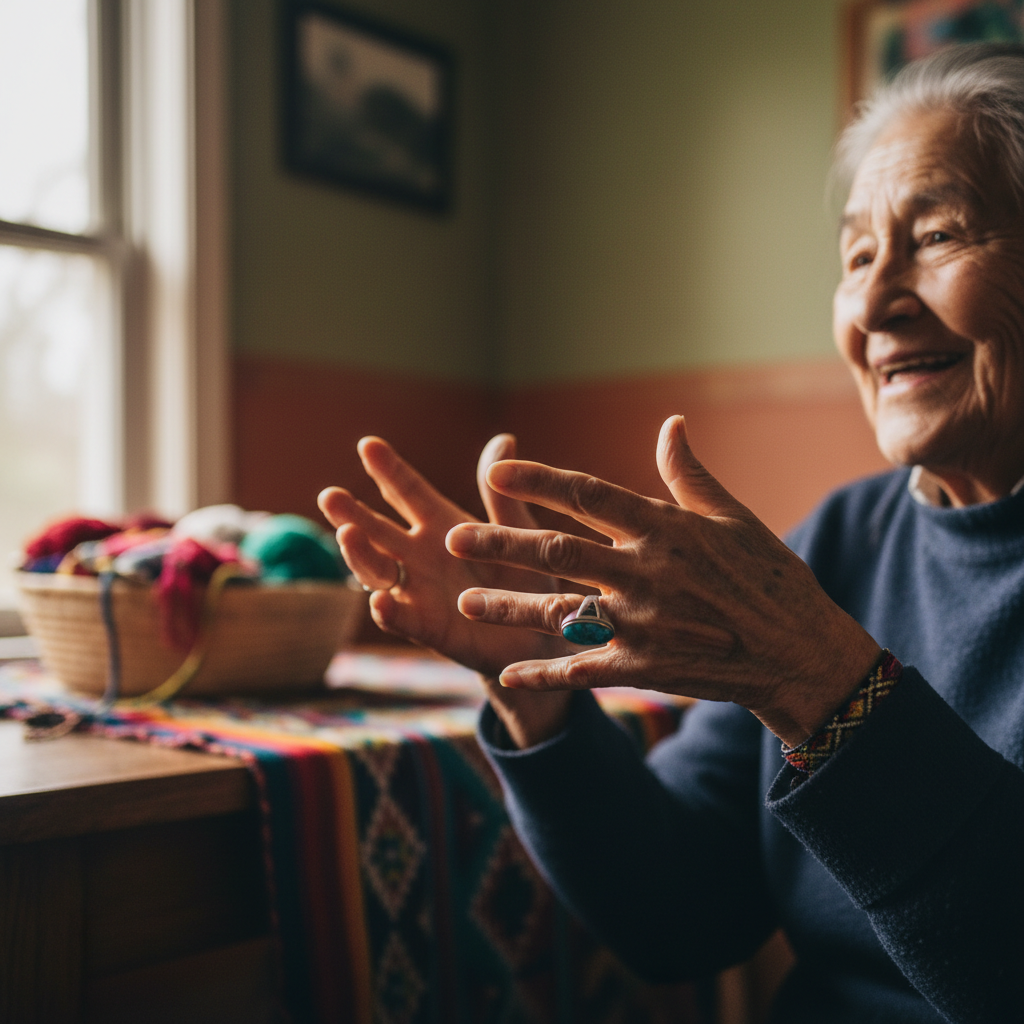
Collaboration between photographers and artists is another innovative trend gaining traction. By working together, photographers and artists can create unique visual interpretations of museum collections. This partnership results in imaginative compositions that offer fresh perspectives on traditional exhibits.
The synergy between photographers and artists can lead to the creation of mixed-media pieces that blend photography with other art forms, such as painting or sculpture. These collaborations not only enrich the visual content but also expand the creative possibilities within the museum space.
Sustainability and Ethical Considerations
As awareness of environmental issues grows, editorial photographers are increasingly considering sustainability in their work. This involves using eco-friendly materials and practices to reduce the carbon footprint of their projects. By prioritizing sustainability, photographers contribute to the ethical presentation of museum collections.
Moreover, ethical considerations are becoming more prominent in editorial photography. Photographers are taking care to ensure that their work respects cultural sensitivities and accurately represents the subjects of their images. This approach fosters a more inclusive and respectful dialogue between museums and their audiences.
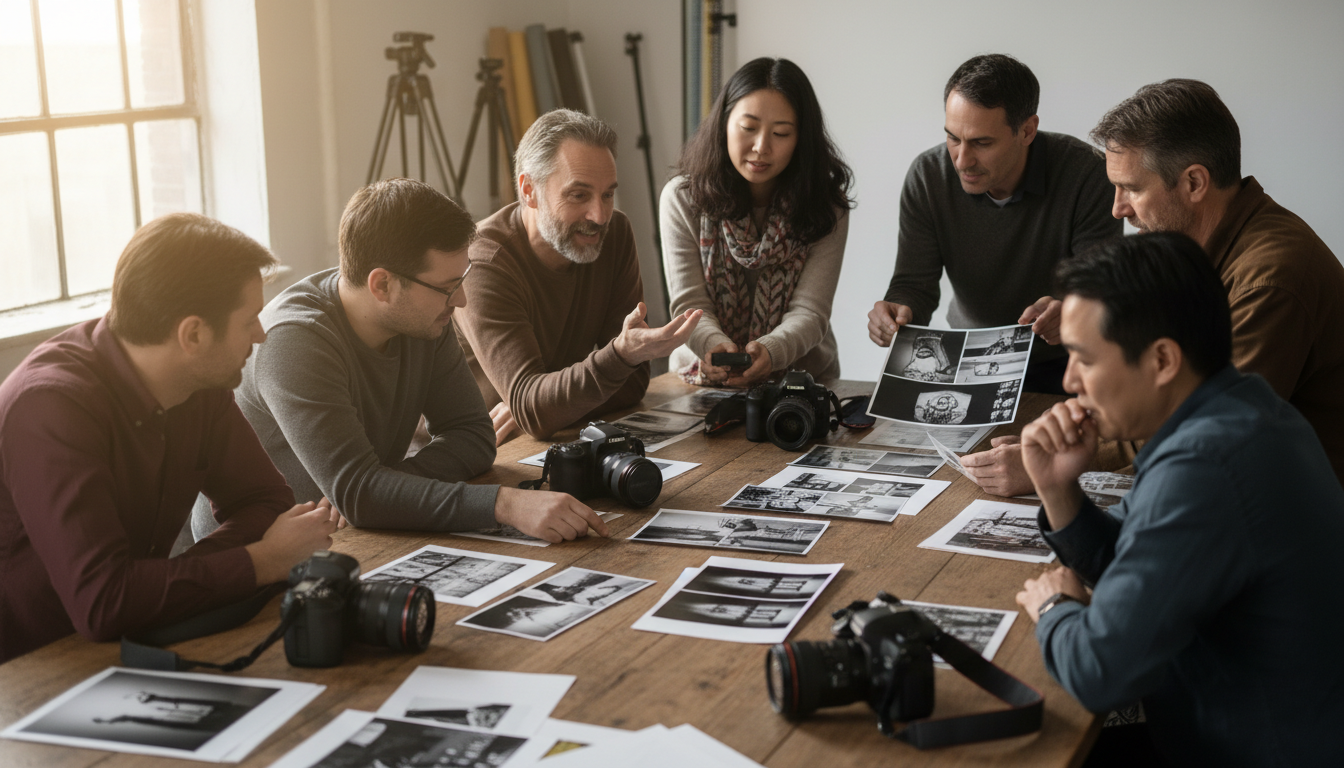
In conclusion, the landscape of editorial photography for museums is rapidly evolving. By embracing technology, focusing on storytelling, fostering collaboration, and considering ethical implications, photographers are reshaping how museum collections are perceived and appreciated. These innovative trends are paving the way for a more engaging and accessible museum experience.