The Evolution of Editorial Photography in Museums: A Visual Journey
HM
The Early Days of Editorial Photography
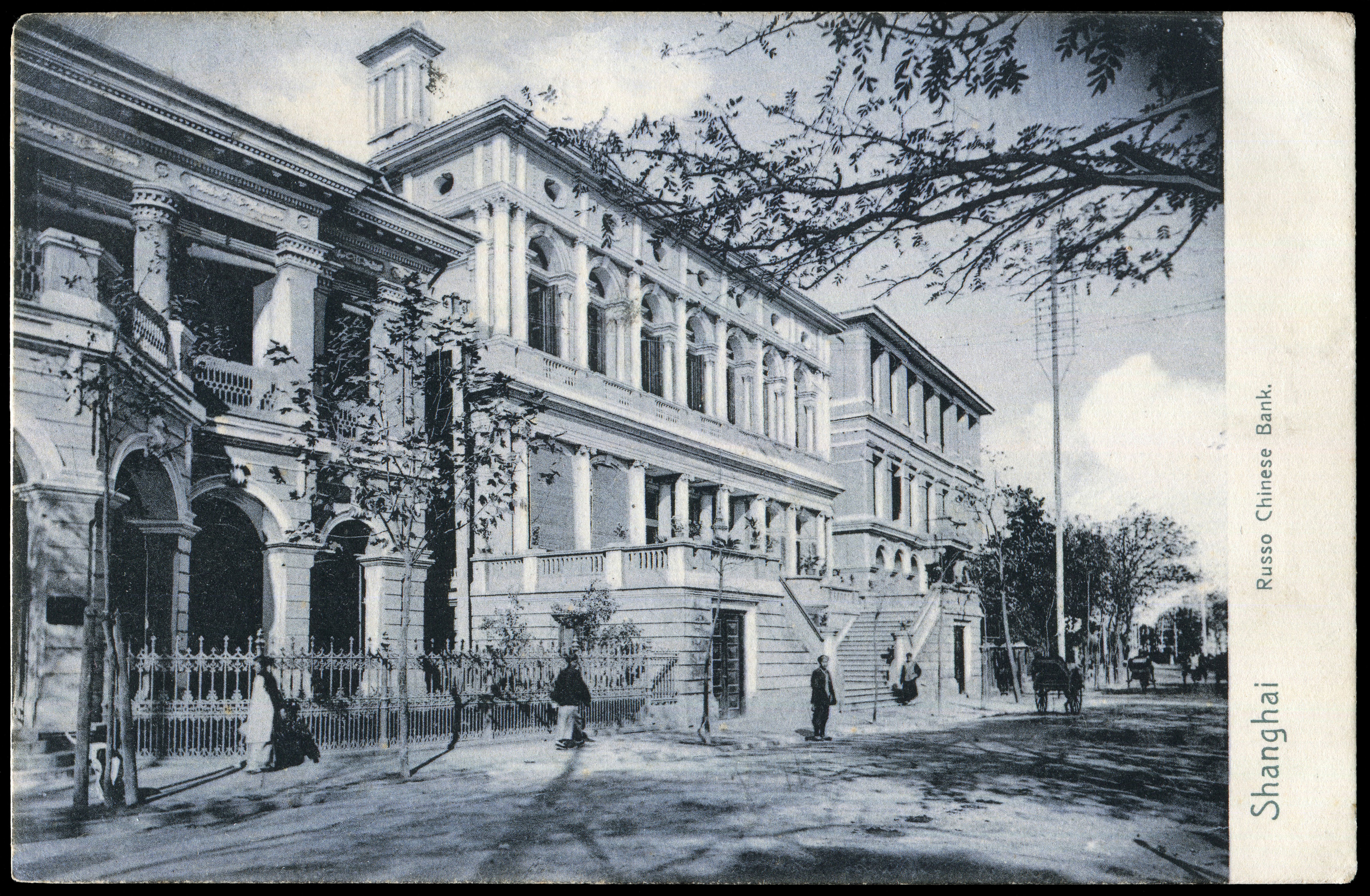
Editorial photography began as a powerful tool to document and interpret the world. In the early days, museums used it to capture the essence of exhibitions, providing a visual narrative that extended beyond the physical space. Photographers were tasked with conveying the story behind each piece, often working in black and white, which added a timeless quality to their work.
These pioneering images were more than mere documentation; they were an art form in themselves. The photographs offered a glimpse into the curator's vision, inviting viewers to explore the nuances of each exhibit through carefully composed shots.
Technological Advancements and Their Impact
As technology evolved, so did the realm of editorial photography in museums. The introduction of color photography opened new avenues for expression, allowing photographers to capture the vibrancy and texture of artworks in unprecedented detail. This shift brought a new dimension to museum documentation, enhancing the viewer's connection to the exhibits.
Digital photography further revolutionized the field, offering greater flexibility and creativity. Photographers could now take multiple shots without the constraints of film, experimenting with different angles and lighting to achieve the perfect image.
The Role of Editorial Photography in Storytelling
Editorial photography in museums is not just about capturing images; it's about telling a story. Each photograph serves as a narrative tool, piecing together the context and significance of the exhibits. Photographers work closely with curators to ensure that their images align with the museum's message and theme.
This collaboration results in a cohesive visual journey that guides visitors through the exhibits, providing insights and interpretations that enhance their understanding. The photographs act as a bridge between the artist's vision and the viewer's perception, enriching the overall experience.
The Influence of Social Media on Editorial Photography
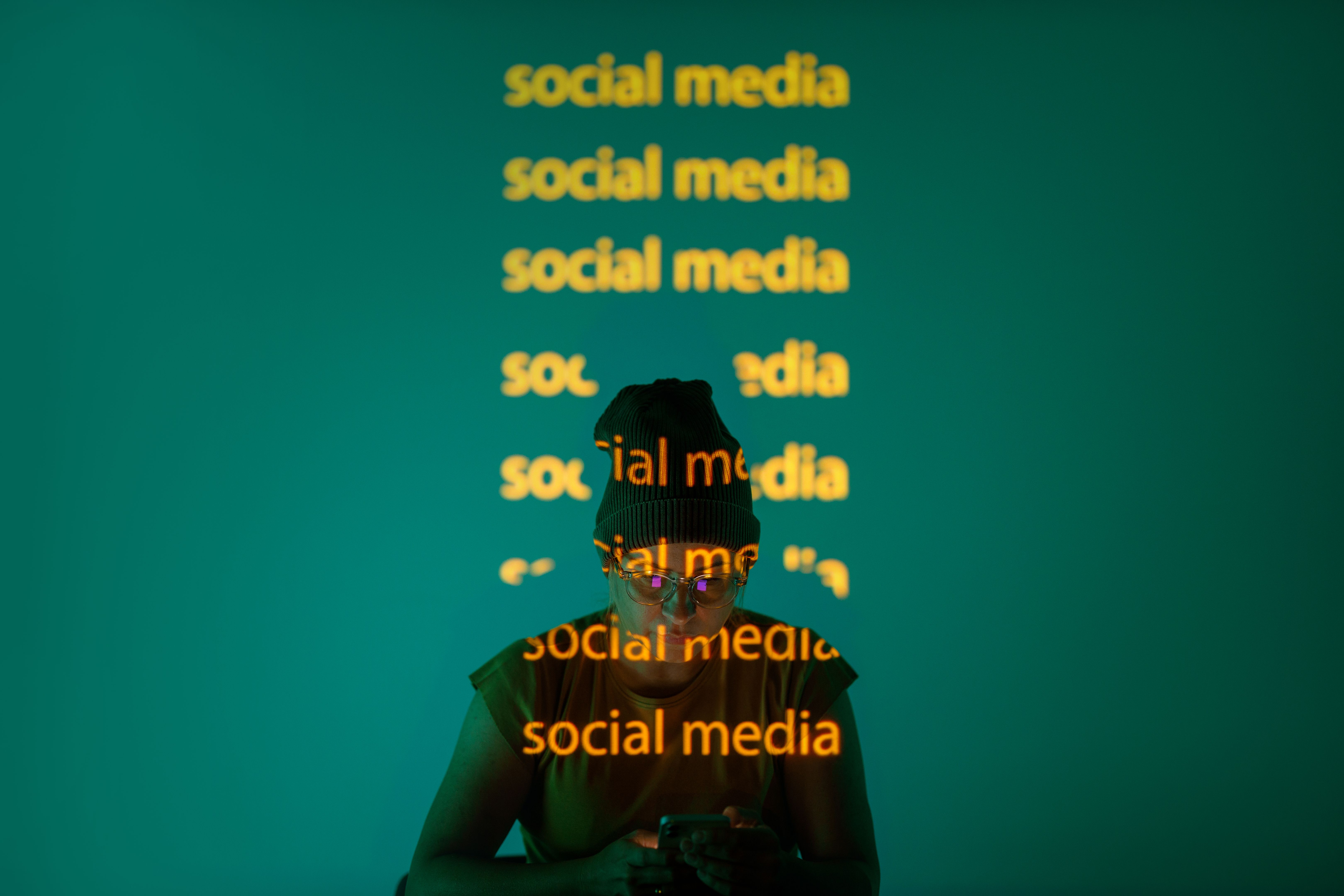
With the rise of social media, editorial photography in museums has taken on a new role. Photographers now consider how their images will be shared and consumed online, crafting shots that are not only informative but also engaging and shareable. This shift has brought a more dynamic and interactive element to museum photography.
Social media platforms have become a significant avenue for museums to reach broader audiences, and editorial photographs play a crucial role in this strategy. The imagery needs to be captivating enough to capture attention in the fast-paced digital world, making the role of the photographer even more impactful.
Future Trends in Editorial Photography
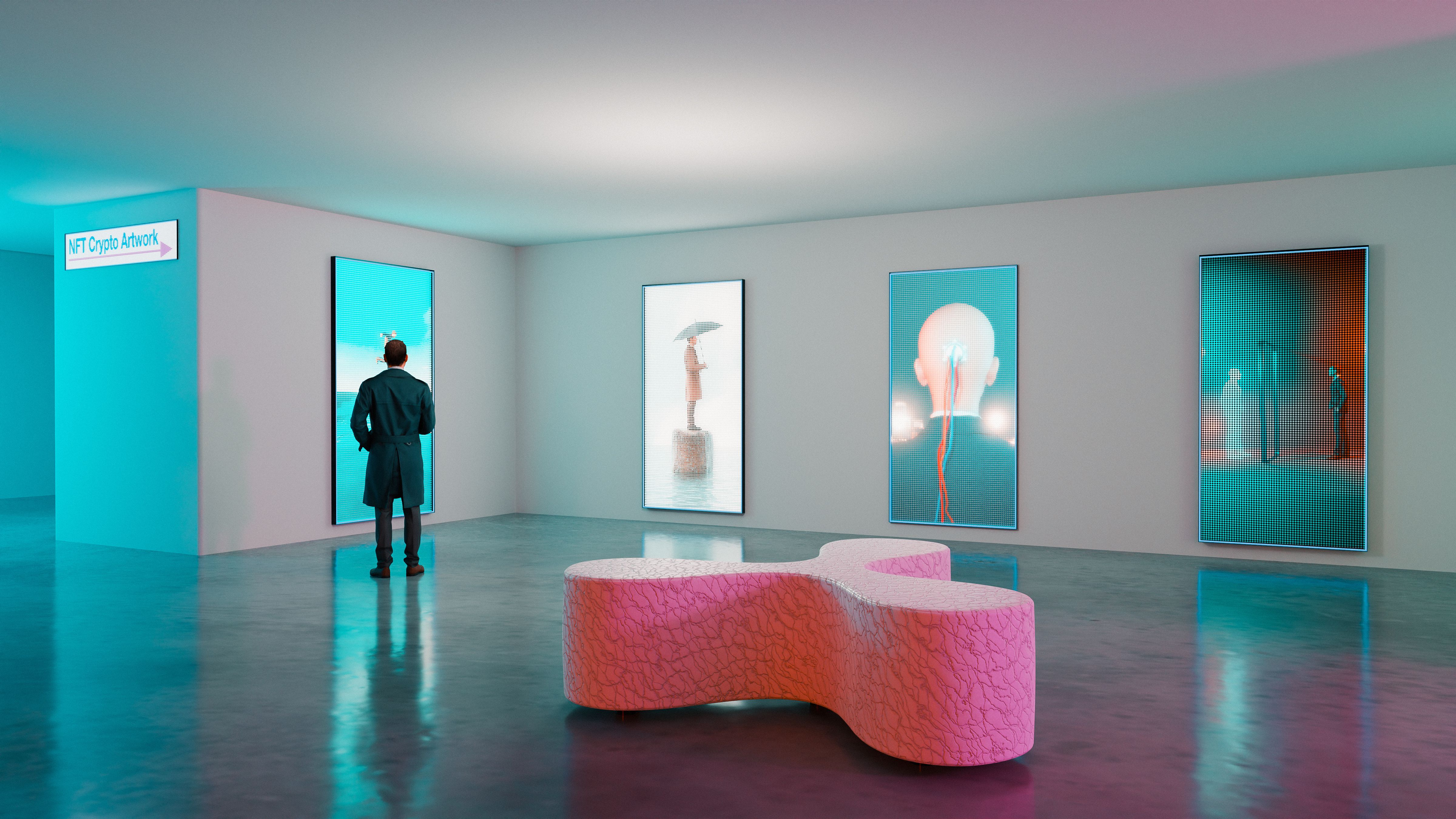
As we look to the future, the role of editorial photography in museums is set to evolve further. Emerging technologies such as virtual reality and augmented reality offer exciting possibilities for immersive storytelling, allowing photographers to create interactive experiences that transcend traditional boundaries.
These innovations promise to redefine how we engage with museum exhibits, offering new ways to explore and understand art. Editorial photographers will continue to be at the forefront of this evolution, pushing the boundaries of creativity and storytelling in the ever-changing landscape of museum photography.