The Role of Editorial Photography in Contemporary Art Magazines
HM
Introduction to Editorial Photography in Art Magazines
Editorial photography plays a crucial role in the realm of contemporary art magazines. By capturing the essence of artistic expression, it provides a visual narrative that complements the written content, enhancing the reader's overall experience. In recent years, the fusion of art and photography has become increasingly significant, shaping how art is perceived and consumed.
Contemporary art magazines rely heavily on editorial photography to convey the mood and message of the featured works. This visual storytelling not only engages the audience but also provides deeper insights into the artist's intentions and the context of their creations.
The Function of Editorial Photography
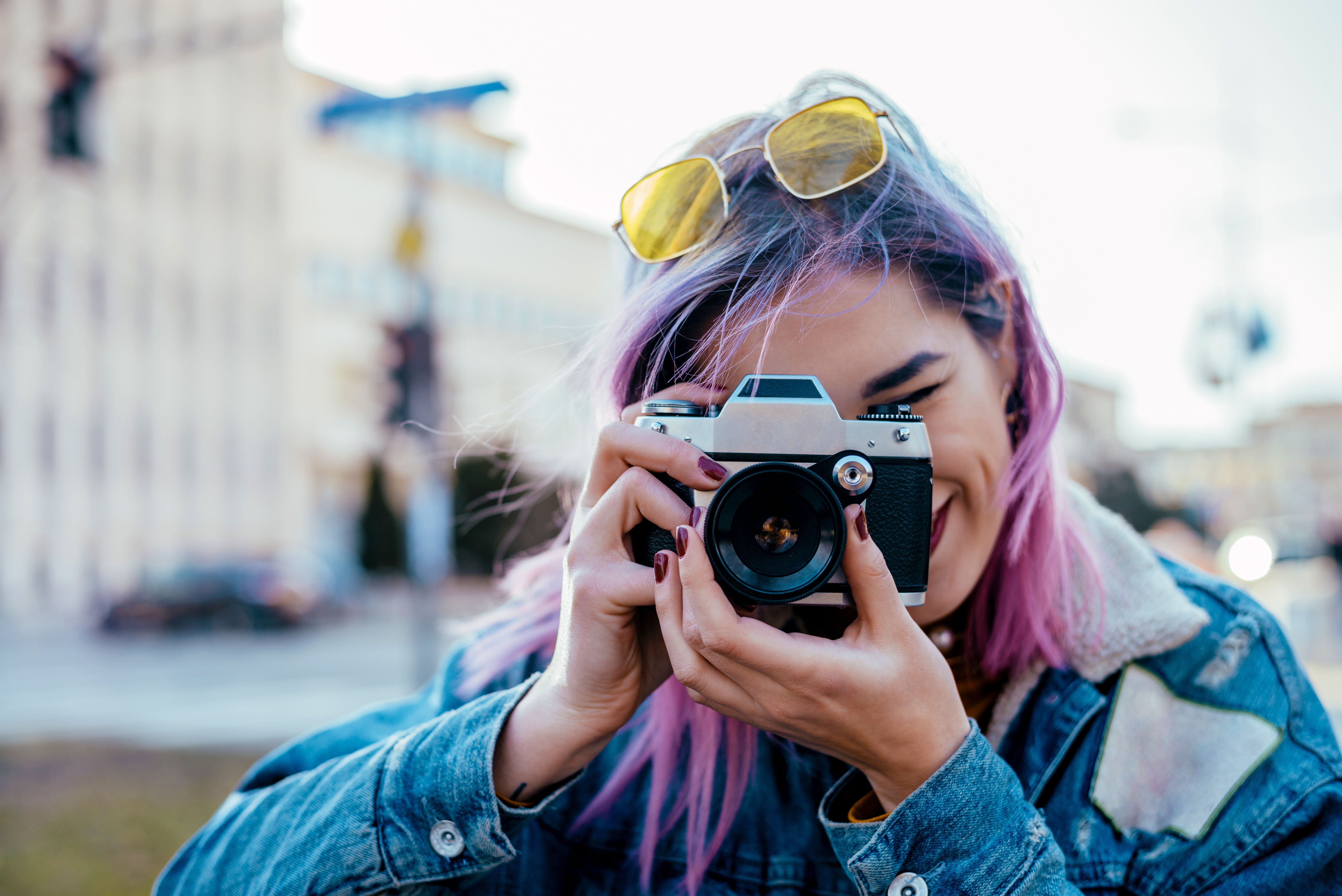
Editorial photography serves several functions in art magazines. One of the primary roles is to illustrate the written articles and reviews, offering a visual context that aligns with the narrative. This synergy between text and image is essential for conveying complex artistic concepts that might be challenging to express solely through words.
Furthermore, editorial photography is instrumental in setting the tone of the publication. By carefully selecting and curating images, editors can influence how the magazine is perceived, whether it leans toward avant-garde, traditional, or experimental art.
Enhancing Reader Engagement
Images can captivate readers, drawing them into the article and encouraging them to explore further. In a world where visual content is king, the strategic use of photography can significantly boost reader engagement. High-quality, evocative images can make an art magazine stand out in a crowded market, attracting both casual readers and dedicated art enthusiasts.

Challenges in Editorial Photography
While editorial photography offers numerous benefits, it also presents challenges. One major issue is the need for a delicate balance between artistic expression and editorial guidelines. Photographers must align with the magazine's vision while maintaining their unique style and perspective.
Additionally, sourcing original and impactful photography can be resource-intensive. Art magazines often work with a network of talented photographers who understand the nuances of capturing art in a way that resonates with the publication's audience.
Maintaining Authenticity
Editorial photography must also remain authentic to the art it represents. Misrepresentation or overly stylized images can distort the viewer's perception of the artwork. Therefore, editors and photographers must collaborate closely to ensure that the photography accurately reflects the artist's original intent.
The Future of Editorial Photography in Art Magazines
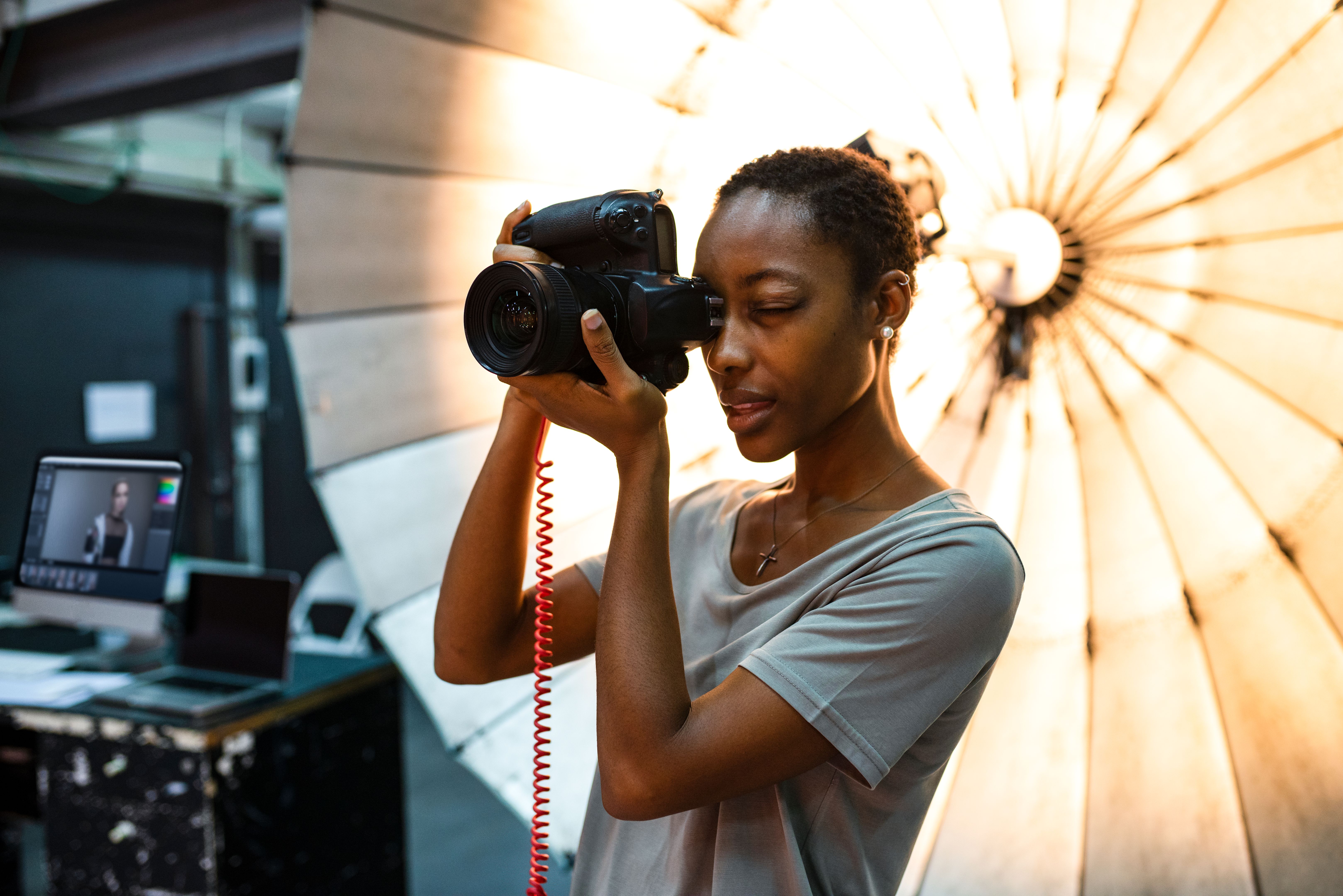
As technology evolves, editorial photography in art magazines is set to experience significant transformations. Digital platforms offer new opportunities for interactive and immersive experiences, allowing readers to engage with art in innovative ways.
Moreover, the rise of social media and online publishing has expanded the reach of editorial photography, enabling art magazines to connect with a global audience. This increased accessibility has made it possible for diverse voices and perspectives to be represented in the art world.
Conclusion
Editorial photography remains a vital component of contemporary art magazines, offering a visual gateway to understanding and appreciating art. As the industry continues to evolve, the collaboration between photographers and editors will be key to pushing the boundaries of how art is presented and perceived.
Ultimately, the role of editorial photography is to inspire, inform, and engage readers, bridging the gap between the artist's vision and the audience's interpretation.