The Role of Photography in Modern Museums: Trends and Innovations
HM
The Evolving Role of Photography in Museums
In recent years, photography has become an integral part of the museum experience. As museums strive to engage a broader audience, they are increasingly leveraging photography to enhance exhibits and create immersive experiences. This shift is not just about displaying photographs but about using imagery to tell compelling stories and inspire visitors.
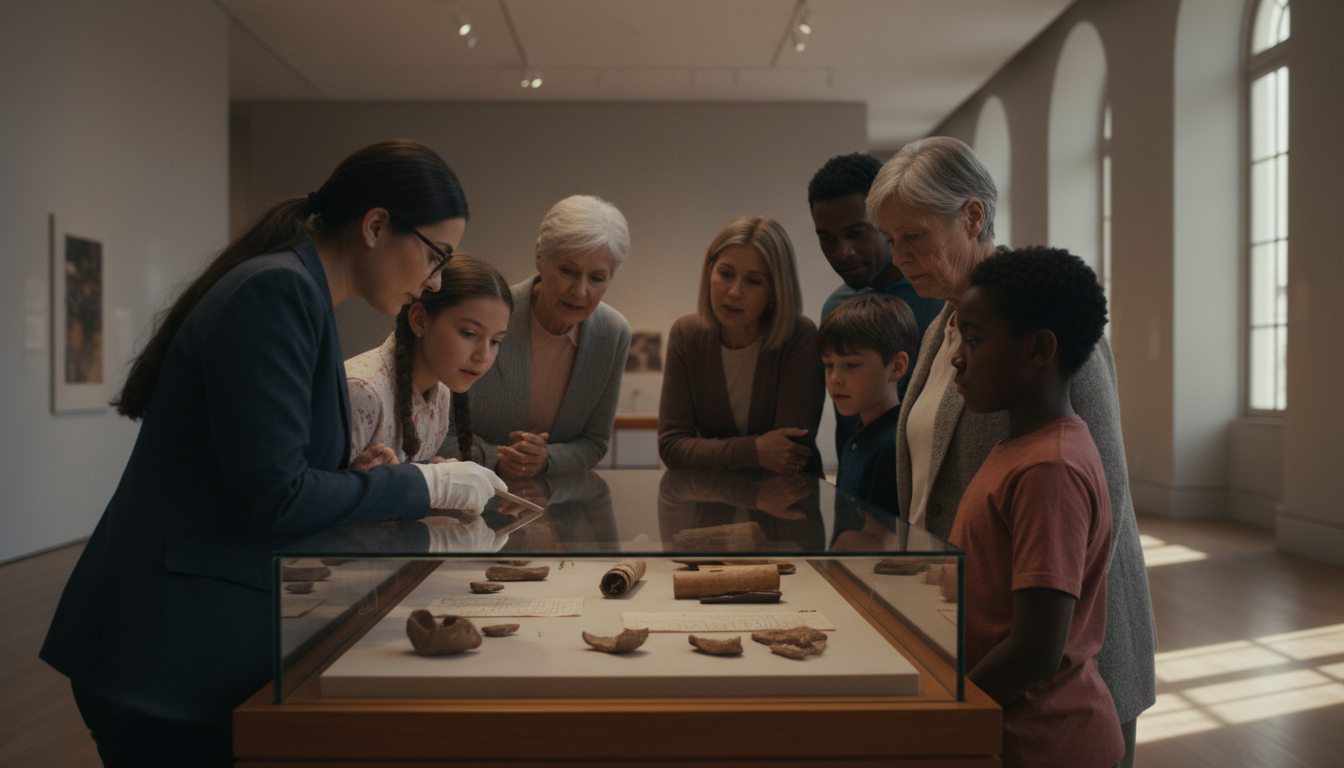
Photography as a Storytelling Tool
Modern museums are using photography to weave narratives that resonate with visitors. Through curated photo galleries and interactive displays, museums can present historical events, cultural narratives, and artistic movements in a visually engaging way. Photography allows museums to break down complex stories into digestible visual elements, making the experience both educational and enjoyable.
In particular, photo essays and thematic exhibitions have become popular methods for storytelling. These formats enable museums to dive deep into specific topics, offering visitors a chance to explore different perspectives and contexts.
Interactive and Immersive Experiences
With advancements in technology, museums are creating interactive experiences that captivate the audience. Augmented reality (AR) and virtual reality (VR) are being integrated into photography exhibits, allowing visitors to engage with images in new and exciting ways. These technologies offer a multisensory experience, making it possible for visitors to feel as if they are part of the photograph itself.
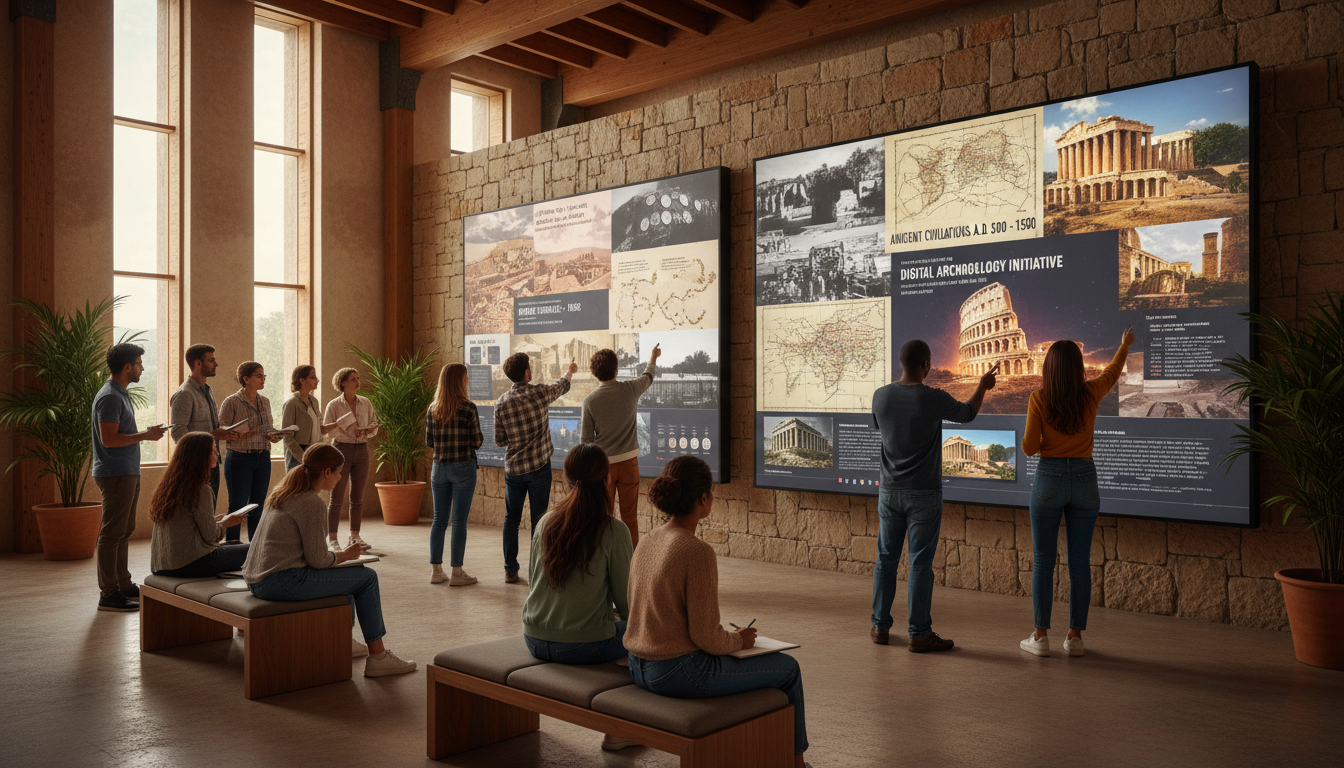
Additionally, museums are using digital photo walls and touchscreens to encourage visitor interaction. These installations often include features that allow visitors to zoom into details, explore related content, and even participate in photo-based activities.
The Rise of Social Media and Visitor-Generated Content
Social media platforms have transformed the way people engage with museum exhibits. Visitors are no longer passive observers but active participants who document and share their experiences online. Museums are encouraging this trend by designing photo-friendly spaces and incorporating hashtags to facilitate online sharing. This not only increases museum visibility but also fosters a sense of community among visitors.

Moreover, some museums have started featuring visitor-generated content in their exhibitions. By showcasing photographs taken by visitors, museums can create a more inclusive and dynamic narrative that reflects diverse perspectives.
Preserving and Archiving Digital Photography
As the use of digital photography in museums grows, the need for proper preservation and archiving becomes crucial. Museums are implementing advanced digital asset management systems to ensure that photographs are stored securely and can be accessed by future generations. This involves not only preserving the images but also maintaining metadata and contextual information.
Furthermore, museums are exploring partnerships with technology companies to improve their archival processes and ensure that digital images remain a valuable resource for research and education.
Conclusion
The role of photography in modern museums is ever-evolving, driven by technological innovations and changing visitor expectations. By embracing photography as both an art form and a storytelling medium, museums are creating enriching experiences that connect with audiences on multiple levels. As we look to the future, it is clear that photography will continue to play a vital role in shaping the cultural landscape of museums worldwide.