The Role of Photography in Museums: A Unique Perspective
HM
The Importance of Photography in Museums
Photography plays a crucial role in museums, offering a visual bridge between the past and present. By capturing and preserving images of exhibits, photography allows museums to reach a wider audience and enhance the visitor experience. It serves as a medium through which the stories of art, history, and culture are told and retold.
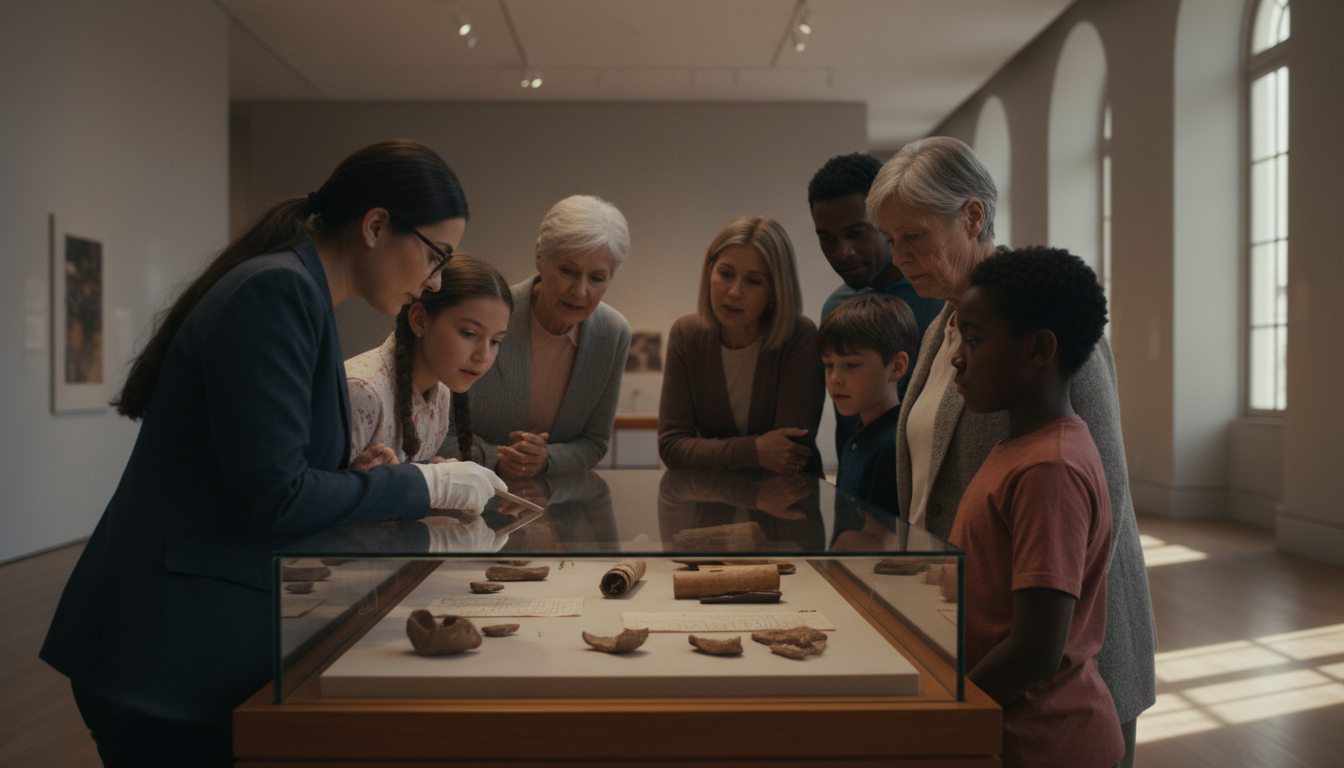
Museums utilize photography in various ways, from documenting collections to engaging audiences through exhibitions and digital platforms. This powerful tool not only helps in archiving but also in interpreting the artifacts, making them more accessible and relatable to the public.
Enhancing Visitor Experience
Photography enhances the visitor experience by providing visual narratives that complement the physical exhibits. Through high-quality images, museums can create engaging displays that captivate audiences and convey complex stories. This visual storytelling is essential for making exhibitions more informative and immersive.
Interactive displays and multimedia presentations often incorporate photography to create a more dynamic and engaging environment. These elements help visitors connect with the exhibits on a deeper level, fostering a more meaningful understanding of the subject matter.
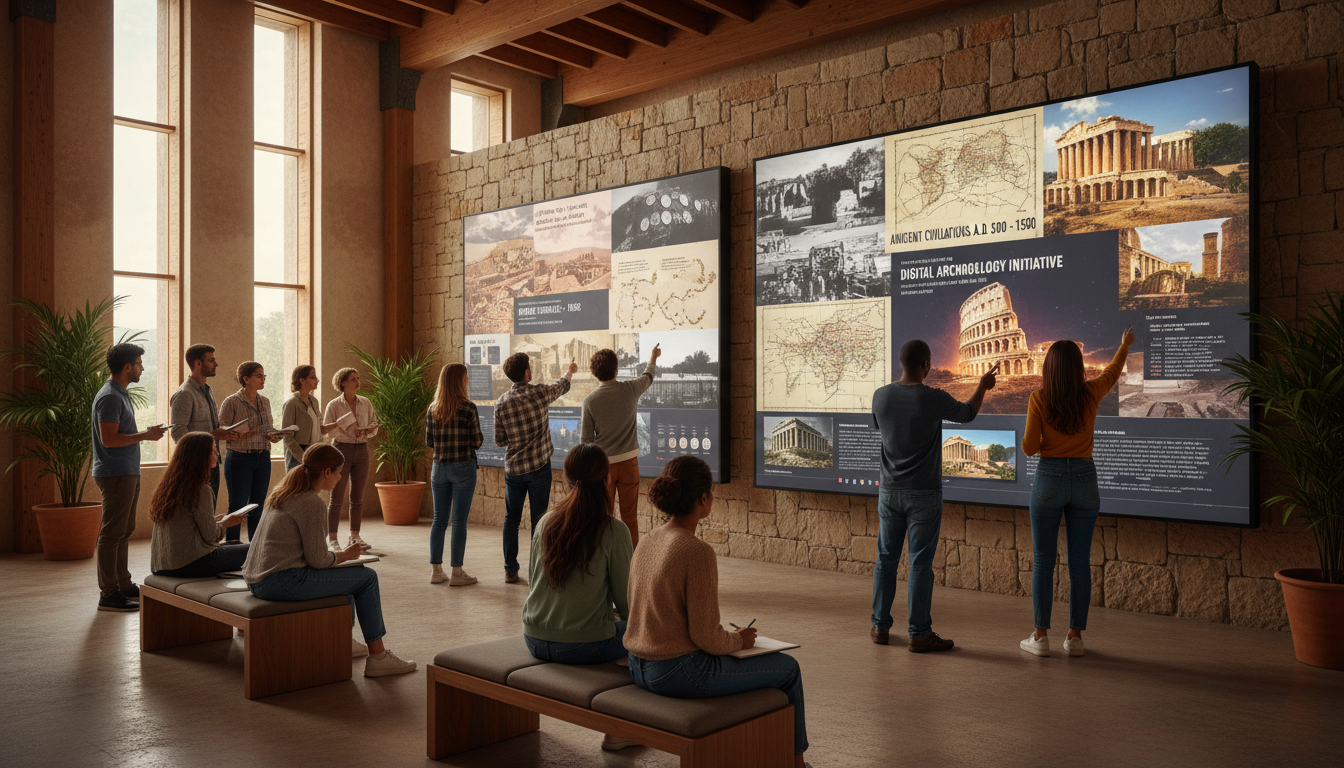
Expanding Digital Presence
In today's digital age, photography significantly contributes to a museum's online presence. High-quality images of exhibits allow museums to reach a global audience through virtual tours and social media platforms. This digital accessibility ensures that more people can appreciate and learn from the collections, regardless of their geographical location.
Moreover, digital photography enables museums to create comprehensive online archives, preserving the visual documentation of collections for future generations. These archives serve as valuable resources for researchers, educators, and the general public.
Preserving Cultural Heritage
Photography is an essential tool for preserving cultural heritage. By documenting artifacts and exhibitions, museums can safeguard important cultural narratives and share them with the world. This preservation is vital for maintaining the integrity and continuity of cultural knowledge.
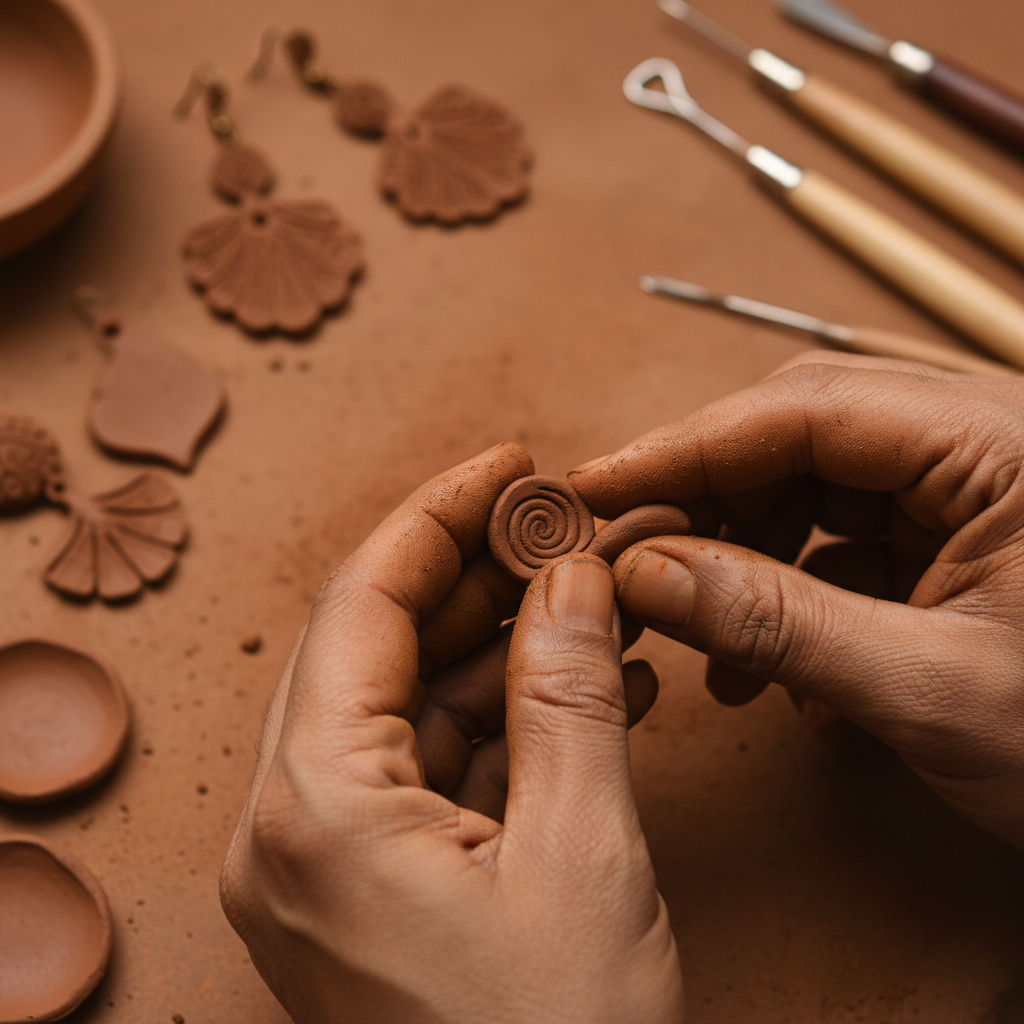
Additionally, photography allows for the restoration and replication of delicate or endangered artifacts. Through detailed images, conservators can study and restore pieces with greater accuracy, ensuring their longevity for future audiences.
Conclusion
The role of photography in museums is multifaceted and indispensable. It not only enhances visitor engagement but also expands digital accessibility and preserves cultural heritage. As museums continue to evolve and adapt to new technologies, photography will remain at the forefront, bridging the gap between the past and the present, and enriching the way we experience and understand culture.